
Tips for Optimizing Stretch Film in Product Transportation
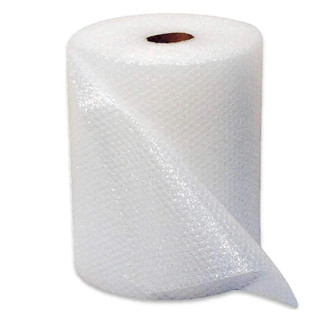
Stretch film is one of the most reliable packaging solutions for securing and protecting goods during transportation. This elastic polymer wrap creates a strong protective layer that prevents dust, dirt, and physical damage, while also saving costs and improving packaging efficiency.
In this article, we provide practical tips for using stretch film effectively in logistics, along with guidance on choosing the right stretch wrap for your specific products.

Key Tips for Using Stretch Film in Transportation
Choose the right stretch film: Stretch film is available in different thicknesses and grades. For fragile or heavy products, opt for stronger, higher-quality films that provide better load stability.
Secure goods properly: Always ensure products are well-packed in cartons or with protective layers before applying stretch film. This reduces the risk of shifting during transport.
Apply correct tension: Too much tension can damage items, while too little may result in film loosening. Finding the right balance ensures stability and safety.
Use proper wrapping techniques: Pallet wrapping, where products are stacked on pallets and then wrapped with stretch film, significantly increases load stability and transport security.
Reinforce weak points: Cover sharp edges or irregular shapes with protective materials to prevent tearing.
Apply multiple layers when needed: For added protection against impact or vibration, use multiple layers of stretch film.
Inspect regularly: Check wrapped goods for wear or damage in the film and replace when necessary.
Train staff: Ensure packaging staff are trained in efficient wrapping methods and, if available, use automatic wrapping machines for consistency.
Consider storage conditions: Store stretch film in suitable environments to maintain elasticity and durability, especially when products are exposed to temperature or humidity changes.
Recycle after use: Where possible, recycle used stretch film to reduce waste and support sustainability.
Choosing the Right Stretch Film
When selecting stretch film, consider these factors:
Weight of products—Heavy loads require thicker and stronger film.
Product type—Fragile, moisture-sensitive, or irregular items need extra protection.
Transport conditions—Choose film resistant to vibration, shocks, or temperature variations.
Packaging method – For pallet wrapping, use film with high cling and tear resistance.
Equipment compatibility—If using automatic wrapping machines, ensure film is designed for them.
Final Thoughts
Using stretch film in product transportation provides multiple benefits: reduced packaging costs, faster loading and unloading, enhanced protection, and minimized damage during transit. It is an effective and versatile packaging solution that improves supply chain efficiency while ensuring goods reach their destination safely.


Comments